

Key Takeaway: Smart Hearing Aids
Modern hearing aid innovation focuses on AI-powered sound processing, seamless connectivity, and health tracking. This makes devices smarter and more personalized, but consumers must weigh the high cost of advanced features against their real-world needs and explore both prescription and OTC options.
For decades, hearing aids felt stuck in the past—often seen as clunky, beige, and a reluctant necessity. But recently, the industry has seen a seismic shift. News of consumer brand leaders, like a former Spanx CEO, entering the hearing aid space signals a massive change: hearing health is finally being treated like modern consumer technology.
If you’re exploring your options, you’re no longer just looking at a device that makes things louder. You’re looking at sophisticated gadgets packed with artificial intelligence, Bluetooth streaming, and even fitness tracking. This wave of hearing aid innovation is exciting, but it can also be overwhelming.
This guide promises to cut through the noise. We’ll explain what these new features actually do for you, compare the brands leading the charge, break down the real costs, and provide a clear framework to help you decide which smart hearing aid is the best fit for your life and budget.
What’s New in Hearing Tech? The Disruption is Here
The core purpose of a hearing aid remains the same: to help you hear better. But how they achieve this has been completely transformed. The biggest change is the shift from simple amplification to intelligent sound processing. Old analog aids made everything louder, including background noise. Today’s smart hearing aids act more like a personal audio editor, using sophisticated technology to enhance the sounds you want to hear and suppress the ones you don’t.
This consumer-centric approach focuses on a few key areas:
- Personalization: Using smartphone apps and AI, users can now fine-tune their hearing experience for specific environments, like a noisy restaurant or a quiet library.
- Connectivity: Modern hearing aids are an extension of your digital life. They stream music, podcasts, and phone calls directly from your devices, functioning like high-tech earbuds.
- Holistic Health: Some advanced models now include sensors to track physical activity, monitor social engagement, and even detect falls, positioning hearing health as a component of overall wellness.
This focus on user experience and integration is what makes the current wave of hearing aid innovation so powerful for consumers. It’s about more than just hearing, it’s about reconnecting with your world seamlessly.
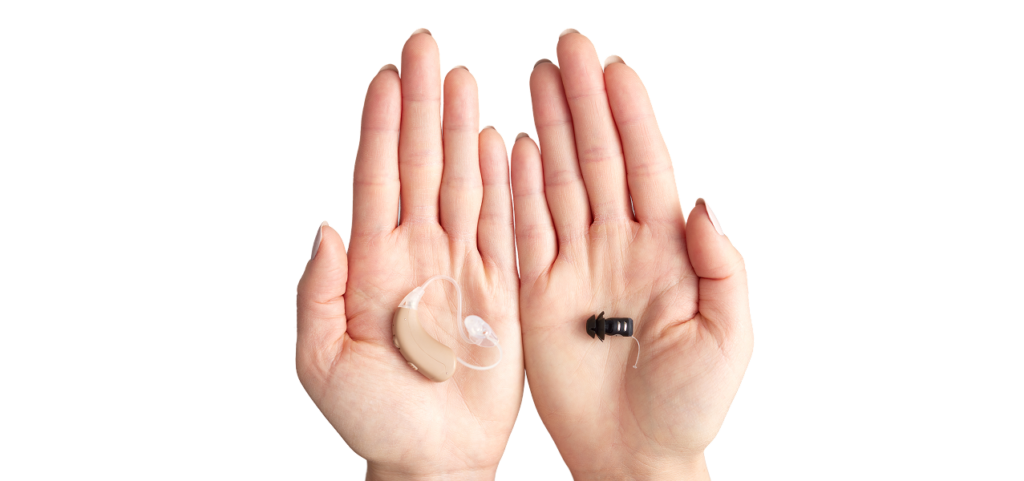
A major part of OTC hearing aid innovation is discreet design.
Top Hearing Aid Brands Leading the Innovation Charge: A Comparison
Several brands, both traditional and new, are at the forefront of this technological revolution. When conducting a smart hearing aids comparison, it’s essential to look beyond marketing claims and focus on the practical benefits. Here’s a breakdown of some top-rated innovative hearing aids, as reviewed by BestGuide.
| Brand | Key Innovation | Best For | Type |
|---|---|---|---|
| Phonak | Universal Bluetooth connectivity (connects to multiple devices) and advanced speech-in-noise processing. | Tech-savvy users who want seamless integration with all their devices. | Prescription |
| Oticon | “BrainHearing” technology that uses a Deep Neural Network (AI) to process the entire sound scene, reducing listening effort. | Users who struggle in complex, noisy environments and want a more natural sound experience. | Prescription |
| Starkey | Integrated sensors for fall detection, activity tracking, and language translation. | Health-conscious individuals or those with mobility concerns looking for an all-in-one device. | Prescription |
| Jabra Enhance | Direct-to-consumer OTC model. The Jabra Enhance Select 700 (Sept 2025) brings prescription-level app customization and Bluetooth streaming without a prescription requirement. | Users with mild-to-moderate hearing loss who are comfortable with technology and prefer an OTC option. | OTC |
Key Innovative Features Explained: AI, Connectivity, and Beyond
Understanding the buzzwords is key to making an informed decision. Here are some of the most impactful advanced hearing aid features explained in simple terms.
- Artificial Intelligence (AI) and Machine Learning: This is the brain of the modern hearing aid. AI allows the device to scan your environment thousands of times per second, identify different sound sources (like speech, music, or background noise), and automatically adjust to give you the best clarity. Some systems even learn your preferences over time.
- Bluetooth LE Audio: The next generation of Bluetooth technology. It offers higher-quality audio streaming with lower battery consumption. This means clearer phone calls and music, and your hearing aid batteries last longer. It also enables Auracast, a feature that will allow you to stream audio directly from public sources like TVs in airports or lecture hall sound systems.
- Biometric Sensors: Found in high-end models from brands like Starkey, these sensors use accelerometers to track steps, monitor social engagement by measuring your conversation time, and even detect a fall and automatically send an alert to a pre-selected contact.
- Rechargeable Batteries: While not new, lithium-ion rechargeable technology has become the standard. It eliminates the hassle of tiny, disposable batteries and typically provides a full day of power (including streaming) on a single 3-4 hour charge.
The Real Cost of Advanced Hearing Aids: What to Expect
One of the biggest hurdles for consumers is the new hearing aid technology cost. Innovation isn’t cheap, and prices can vary dramatically based on the technology level and service model.
Here’s a general breakdown:
- Prescription Hearing Aids: A pair of advanced, AI-powered hearing aids from a top brand typically costs between $3,000 and $7,000. This price usually includes the audiologist’s professional services, such as the hearing test, custom fitting, programming, and follow-up adjustments.
- Over-the-Counter (OTC) Hearing Aids: For those with self-perceived mild-to-moderate hearing loss, innovative OTC options range from $800 to $1,600 per pair. This price includes the devices and access to remote support via an app or phone call.
The cost is driven by the level of technology. A basic digital hearing aid provides simple amplification, while a premium model includes all the AI, connectivity, and health-tracking features discussed above. When considering costs, ask about bundled services, warranty length, and loss/damage insurance. Some insurance plans now offer a hearing aid benefit, and financing options are often available through providers.
Choosing Your Innovative Hearing Aid: A Buyer’s Guide
Navigating this new landscape requires a thoughtful approach. Here is a checklist to guide your decision-making process:
- Assess Your Hearing Loss: The first step is always a professional hearing evaluation. This will determine the severity and type of your hearing loss, which dictates whether a prescription or OTC device is appropriate for you.
- Evaluate Your Lifestyle: Are you a quiet homebody or a socially active person who frequently dines out and travels? Someone in complex listening environments will benefit more from advanced AI and noise reduction than someone who primarily needs help hearing the TV. Be honest about your daily needs.
- Prioritize Features: Don’t pay for technology you won’t use. If you don’t own a smartphone, advanced app controls and Bluetooth streaming are less important. If you are concerned about safety, fall detection could be a priority. Make a “must-have” vs. “nice-to-have” list.
- Insist on a Trial Period: Reputable providers and OTC companies offer a risk-free trial period, typically ranging from 30 to 100 days. This is the single most important factor. It takes time for your brain to adapt to new hearing aids, and you need to test them in your own real-world environments.
- Check for Support: For prescription aids, what kind of follow-up care is included? For OTC aids, what are the options for remote adjustments and customer service? Good support is critical for long-term success.
Are OTC Hearing Aids Keeping Up with Innovation?
The introduction of Over-the-Counter hearing aids was a major disruption, and OTC hearing aid innovation is rapidly advancing. Industry giants like Sony, alongside dedicated OTC pioneers like Jabra Enhance, and Audicus, are bringing impressive, medical-grade features to a far more accessible price point.
Currently, these modern OTC models excel at:
- App-Based Customization: Most offer sophisticated apps that let you control volume and EQ settings on the fly. For instance, and Sony utilize advanced self-fitting software that acts like a virtual audiologist in your pocket.
- Bluetooth Streaming: High-quality streaming for phone calls, podcasts, and music is becoming a standard feature in premium OTC devices from brands like Jabra Enhance and Audicus.
- Discreet Designs: Many OTC aids are nearly invisible, helping to reduce the stigma associated with wearing them.
However, prescription models still hold the edge in the most advanced areas, such as dual-chip AI that can instantly separate speech from complex background noise, and integrated biometric sensors. For individuals with severe or complex hearing loss, the professional fitting and fine-tuning provided by an in-person audiologist remain indispensable.
Bottom Line
The current landscape of hearing aid innovation is incredibly promising for consumers. The technology is smarter, more integrated, and more user-friendly than ever before. The “consumerization” of hearing health means more choices, better designs, and increasing pressure on prices.
Your best choice depends on a careful balance of your diagnosed hearing needs, your daily lifestyle, and your budget. For those with complex or severe hearing profiles, the advanced AI and personalized care of a prescription hearing aid from a top brand like Oticon or Phonak is likely worth the investment.
However, for the millions of individuals with mild-to-moderate hearing loss who are comfortable with technology, a top-tier OTC device from innovators like Sony, Jabra Enhance, or Audicus can offer fantastic value, convenience, and performance directly to your door.
The most important step is to take action. Consult with a hearing healthcare professional to understand your needs, and then use this guide to ask the right questions and explore the exciting new options available. To compare specific models, check out BestGuide’s in-depth reviews of the latest hearing aids.
 Audicus
.png) Ceretone Hearing Aids
Ceretone Hearing Aids Jabra Enhance