

Key Takeaway: Pet insurance can reimburse pet owners for 70% to 90% of covered emergency medical expenses after the deductible, but it does not eliminate the need for upfront payment at the emergency room. A plan for the initial deposit plus a pet emergency fund matters, since reimbursement typically takes 5 to 14 business days.
A sudden car accident sends a dog owner rushing to the nearest emergency veterinary hospital. A cat owner wakes up to find a critical urinary blockage that needs immediate surgery. In these moments, worry about the pet’s wellbeing collides with fear of a huge veterinary bill. Understanding how emergency care costs work, what pet insurance actually covers, and what it does not can help any pet owner prepare financially before crisis strikes. This guide breaks down the numbers, the reimbursement process, and the smart steps to build a safety net for a pet.
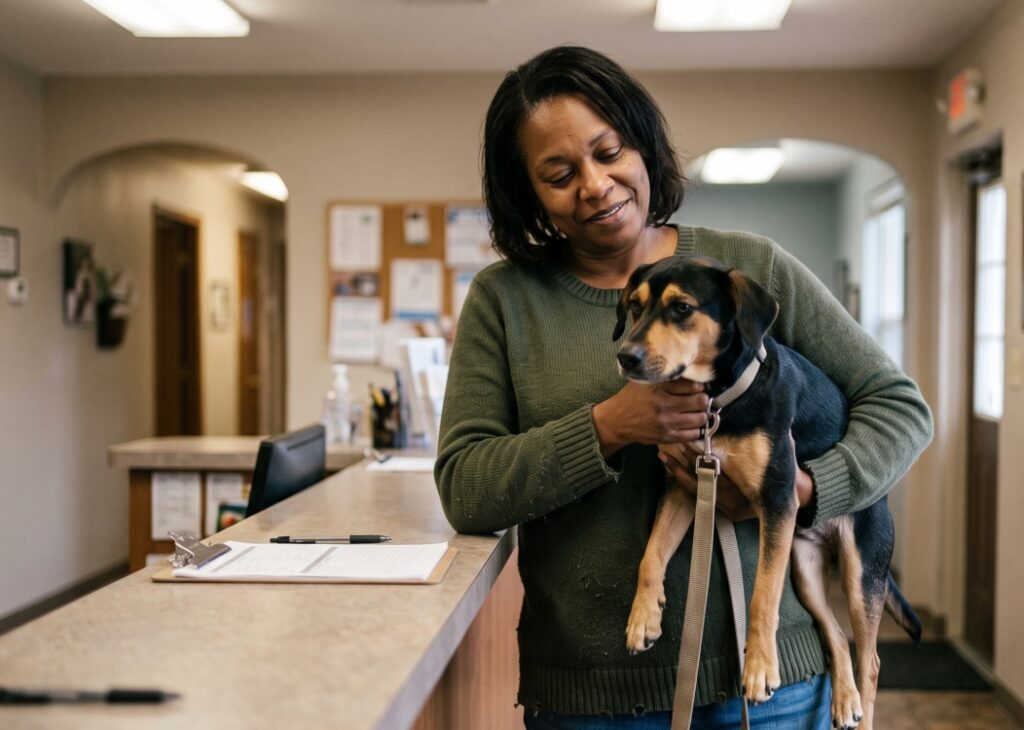
AVMA’s 2025 Pet Ownership and Demographics Sourcebook reports that roughly one in three pets needs emergency or unexpected veterinary care in any given year. Pet insurance reimburses 70% to 90% of covered costs, but the pet owner pays the hospital first and files a claim afterward, making a dedicated emergency fund just as important as the policy itself.
Emergency Vet Costs in 2026
Emergency veterinary care can be expensive. According to the American Veterinary Medical Association’s 2025 Pet Ownership and Demographics Sourcebook, the average reported cost of the last veterinary visit rose to $200 in 2025, up from $147 in 2024 and $190 in 2023, with dog owners reporting an average of $220 and cat owners $202 for that visit. Emergency visits and complex surgeries push costs significantly higher, often ranging from several hundred dollars for an exam and fluids to $5,000 or more for major surgeries such as foreign body removal or emergency orthopedic procedures. AVMA data also shows that dog owners spent an average of $598 on veterinary care in 2025, while cat owners spent about $529, and that roughly one in three pets needs emergency or unexpected veterinary care in any given year.
Most emergency hospitals require a deposit before treatment begins. Under practices common at American Animal Hospital Association (AAHA) accredited emergency facilities, this deposit is typically 50% to 100% of the low end of the treatment estimate. If the estimate is $3,000, an owner should be ready to pay $1,500 to $3,000 upfront before the procedure begins. This upfront requirement holds regardless of whether the pet owner has insurance.
The Upfront Payment Reality
Pet insurance does not change the financial requirement at the emergency desk. Even with a policy, the pet owner pays the hospital when services are rendered. Afterward, the owner submits a claim to the insurer for reimbursement. For a surgery with a low-end estimate of $2,000, an owner should plan to put down at least $1,000; many hospitals require the full $2,000 low-end amount. If the estimate range is $2,000 to $4,000 and the hospital asks for 100% of the high end, that means $4,000 upfront.
This industry practice makes cash reserves essential even for insured pet owners.
How Pet Insurance Reimbursement Works
After the pet owner pays the emergency hospital, the owner files a claim with the insurer. Most plans cover 70% to 90% of eligible expenses after the annual deductible. For example, on a $3,000 covered emergency bill with a $500 deductible and 80% reimbursement, the insurer would reimburse $2,000.
Reimbursement typically takes 5 to 14 business days, though some insurers offer direct payment to the hospital at checkout. If a plan includes direct pay, the insurer settles the bill with the vet, and the owner is responsible only for the deductible and coinsurance at the time of service. Not all hospitals accept direct pay, so check with the insurance provider and local emergency clinics.
According to the North American Pet Health Insurance Association (NAPHIA) State of the Industry Report, average monthly premiums for accident-and-illness coverage were about $62.44 for dogs ($749.29 per year) and $32.21 for cats ($386.47 per year) in 2024, the most recent year of published industry data. Premiums vary meaningfully by breed, age, and ZIP code, but a single emergency can easily exceed a full year of premiums.
Waiting Periods and Pre-Existing Conditions
Pet insurance policies include waiting periods before coverage kicks in. For illnesses, the waiting period is typically 14 days; accidents often have shorter waiting periods, sometimes 1 to 5 days. Any condition that shows symptoms or is diagnosed before the waiting period ends is considered pre-existing and is permanently excluded from coverage.
This exclusion is a critical limitation. If a pet has a history of allergies or joint issues before the policy is purchased, those conditions will not be covered. Buying coverage while a pet is young and healthy is the best way to avoid pre-existing exclusions, but even then, new conditions can emerge.
Building a Pet Emergency Fund
A dedicated pet emergency fund gives owners a buffer for the upfront deposit and any costs not covered by insurance. A practical rule of thumb is to keep cash in a high-yield savings account that covers at least the deductible plus two to three months of premiums, and ideally a larger sum to handle reimbursement delays of 5 to 14 business days. A fund of $500 to $1,500 can cover many deductibles and coinsurance amounts.
The fund can also cover non-covered expenses, such as exam fees or alternative therapies. To self-insure for a major emergency without a policy, a fund of $5,000 to $7,000 is a more realistic target. Build it by automating monthly transfers and treating it as part of the pet’s regular budget.
Direct Pay Pet Insurance: A Shortcut to Consider
Some insurers, such as Trupanion, offer direct payment to hospitals at the time of checkout. This can eliminate the need to float the entire bill while waiting for reimbursement. However, not all emergency clinics accept direct pay, and the availability depends on the insurance provider’s network.
For anyone whose priority is avoiding large upfront cash outlays, ask insurers whether they offer direct payment and whether a preferred emergency hospital participates. This feature is not universal, and an emergency fund is still worth maintaining to cover deductibles and coinsurance.
Assemble a Pet Disaster Kit
Natural disasters, evacuations, or shelter-in-place orders add another layer of emergency preparedness. The FDA and CDC recommend keeping a pet emergency kit with at least three days of food and water, medications, medical records (including vaccine history), a first-aid kit, leashes, carriers, and a recent photo of the pet.
Having medical records on hand speeds up emergency vet check-ins and helps with insurance claims. Store physical copies in a waterproof bag and digital copies on a phone. Include contact information for the regular veterinarian and a list of 24-hour emergency clinics.
How to Evaluate a Pet Insurance Provider
When comparing pet insurance plans, look beyond the monthly premium. Focus on the reimbursement percentage (70%, 80%, or 90%), the annual deductible amount, and the annual coverage limit. A plan with a $10,000 annual limit covers most emergencies, but a catastrophic accident or complex illness can push costs higher.
Examine waiting periods and pre-existing condition policies. Since pre-existing conditions are permanently excluded, review the pet’s medical history before applying. Ask the insurer about direct pay options, claim submission processes, and average reimbursement turnaround times. Customer reviews and financial strength ratings from independent agencies add another layer of scrutiny.
Finally, understand the limitations: pet insurance does not cover pre-existing conditions or routine wellness unless the plan includes an add-on, and it will not pay an emergency deposit upfront unless the insurer has a direct pay arrangement accepted by the hospital. It is a reimbursement tool, not a payment deferral method.
Bottom Line
- Emergency vet care in 2026 can range from a few hundred dollars for an exam and fluids to $5,000 or more for complex surgeries, and roughly one in three pets needs unexpected veterinary care in any given year per AVMA’s 2025 Sourcebook.
- Emergency hospital deposits typically run 50% to 100% of the low-end estimate at AAHA-accredited practices, so cash reserves are essential.
- Pet insurance reimburses 70% to 90% of covered costs after the deductible, but the pet owner pays the hospital first and then files a claim.
- NAPHIA’s State of the Industry Report puts 2024 average premiums at $62.44 per month for dogs and $32.21 per month for cats on accident-and-illness policies.
- Reimbursement typically takes 5 to 14 business days, and a pet emergency fund of $500 to $1,500 helps bridge that gap plus deductibles and coinsurance.
- Direct pay pet insurance can reduce upfront financial pressure, but it depends on insurer networks and hospital participation.
- Build a pet disaster kit with food, water, medications, and medical records, following FDA and CDC guidance, to be ready for natural emergencies and to speed up insurance claims.
Frequently Asked Questions
Does pet insurance cover emergency vet visits?
Yes, most comprehensive pet insurance plans cover emergency visits, surgeries, and hospitalizations after the deductible and within policy limits. The pet owner pays the hospital and then receives reimbursement of 70% to 90% of covered expenses.
Does pet insurance cover pre-existing conditions?
No, pet insurance permanently excludes pre-existing conditions. Any illness or injury with symptoms or diagnosis before the policy’s effective date (or during waiting periods) will not be covered.
What is the average monthly cost of pet insurance in 2026?
According to the North American Pet Health Insurance Association (NAPHIA) State of the Industry Report, accident-and-illness coverage averaged about $62.44 per month for dogs and $32.21 per month for cats in 2024, the most recent year of published industry data.
How long does pet insurance reimbursement take?
Reimbursement typically takes 5 to 14 business days, though direct pay options at participating hospitals can settle the bill at checkout. Processing times vary by insurer.
What should be in a pet emergency kit?
A kit should include at least three days of food and water, medications, medical and vaccine records, a first-aid kit, leash, carrier, and a current pet photo, as recommended by the FDA and CDC.
Can I get financial assistance for emergency vet bills if I don’t have insurance?
Yes, some nonprofit organizations and veterinary schools offer assistance, but funds are limited. CareCredit and other veterinary financing options provide payment plans, though they involve interest. A pet emergency fund remains the most reliable fallback.
Related BestGuide reviews:
 Fetch
Fetch Haven Pet
 Healthy Paws
 Kanguro
 MetLife
 Odie
Odie