For most US buyers, Coinbase, Kraken and Gemini are the strongest crypto exchanges: each offers a simple buy screen plus a separate order book trading screen, and Kraken and Gemini publish detailed order book fee schedules. Public.com suits investors who want crypto next to stocks, and Crypto.com has the widest token list in this group. Before you deposit, compare the fee you actually pay (spread plus trading fee), which coins are available in your state, and how the platform is licensed.
This guide is for US buyers deciding where to buy, sell or hold crypto, whether you want a simple app for an occasional bitcoin purchase or an order book for frequent trades. The platforms below differ most on cost, coin selection, custody and regulatory record.
Cost is the biggest variable. Order book fees run from 0% to 1.20% per trade, while simple buy screens often charge 1% or more plus a spread built into the price. Coin lists range from 30+ to 400+ tokens, and Kraken lists 600+ trading pairs. Crypto in these accounts is not FDIC insured, and transfers generally cannot be reversed, so who holds your coins matters as much as price.
For each pick you will find fees, assets, US availability and licensing, followed by a fee breakdown, account setup steps and the red flags to watch for.
Company reviews

Best for beginners who want fees shown before every trade: Coinbase
- Trading fees
- Spread plus a Coinbase fee on simple trades
- Assets
- Tradable asset count not published on the pages we checked
- US availability
- Available to US customers
Why we picked it. Coinbase puts the spread and its own fee on the preview screen before you confirm, so the full cost of a simple buy is visible up front. Its help center also documents processing fees in detail, including Lightning and stablecoin withdrawals.
More details, pros and cons
Other fees: 0.2% Lightning Network send fee; 0.01% USDT withdrawal fee (max 20 USDT), as listed October 2026
Pros
- Fee and spread shown before you confirm
- Detailed fee documentation in the help center
- Separate Advanced trading screen for order book fees
Cons
- Simple buys add a spread on top of the fee
- Fees can vary for similar transactions, per Coinbase
- We could not open its Advanced fee schedule to confirm current rates
Skip it if: You trade often and want the lowest published maker and taker fees. Compare Kraken Pro and Gemini ActiveTrader instead.
More about Coinbase
Coinbase is a highly regulated, publicly traded cryptocurrency exchange known for its intuitive interface, vast asset selection, and industry-leading security practices, making it an ideal entry point for new investors.

Best for active traders who want a published volume fee schedule: Kraken
- Trading fees
- Kraken Pro 0.40% maker and 0.80% taker at the lowest tier
- Assets
- 600
- US availability
- Available in the US
Why we picked it. Kraken publishes a full fee table, from instant buys to 12 volume tiers on Kraken Pro, so you can see exactly how fees fall as your volume grows. It has operated since 2011 and publishes proof of reserves.
More details, pros and cons
Staking: Flexible staking rewards subject to a 20% commission on some assets
Pros
- Detailed public fee schedule
- Large asset selection
- Kraken+ members get instant buy fees waived on up to $10,000 a month
Cons
- Instant buy and custom orders cost 1% to 1.5% plus spread
- 3% fee on small balance conversions
- Margin and derivatives carry liquidation fees
Skip it if: You only buy a little bitcoin now and then and want the simplest app, since the fee table can be overwhelming.
More about Kraken
Kraken is a veteran US-licensed exchange offering robust security and highly competitive maker-taker fees on its Pro platform, catering well to experienced and high-volume crypto traders.

Best for borrowing against crypto (Credit Line from 0.9% a year): Nexo
- Assets
- 30
- US availability
- US offering in partnership with Bakkt
Why we picked it. Nexo is built around yield and crypto-backed loans rather than trading, and its US offering now holds assets with Bakkt, a publicly listed US company. It fits holders who want liquidity without selling and who accept the risk.
More details, pros and cons
Yield and loans: Advertises interest up to 16% a year and Credit Line from 0.9% a year, as listed October 2026
Pros
- Crypto-backed credit line
- US custody with Bakkt
- ACH and wire funding
Cons
- In 2023 the SEC charged Nexo Capital over its unregistered Earn Interest Product. Nexo agreed to pay $22.5 million to the SEC plus $22.5 million to state regulators, and to stop offering it in the US
- High advertised yields carry high risk and vary by product and state
- Small coin list and no published US trading fee schedule
Skip it if: You want a regulated exchange for buying and selling, or past regulatory action is a dealbreaker for you.
More about Nexo
Nexo is a crypto wealth platform offering yield programs up to 16% APY and instant crypto-backed credit lines, relaunched in the US via Bakkt in February 2026.
Show all 5 picks2 more, ranked 4 to 5
Best for the widest token selection in one app (400+): Crypto.com
- Trading fees
- Advertises 0 fees on trades in its US app
- Assets
- 400
- US availability
- US app and site at crypto.com/us
Why we picked it. Crypto.com lists more than 400 tokens in its US app and says it serves over 150 million customers globally. Staking, recurring buys and price alerts all sit in the same app.
More details, pros and cons
Proof of reserves: Latest audit on its page is a Mazars check dated December 7, 2022
Pros
- Largest token list in this group
- Zero-fee USD deposits, per the company
- Recurring buys and price alerts
Cons
- BBB rating F with 549 complaints in 3 years
- Proof of reserves page still shows a December 2022 audit
- "0 fees" marketing does not explain spreads on the page we checked
- App pushes prediction markets and other non-crypto products
- Fee schedule is harder to find than Kraken's or Gemini's
Skip it if: You want a clear, published maker and taker fee table.
More about Crypto.com
Crypto.com offers a comprehensive mobile app ecosystem featuring a tiered Visa card reward program, though US users face a complex fee structure and notable customer service concerns.

Best for free stablecoin trading and a clear ActiveTrader fee table: Gemini Exchange
- US availability
- US only since April 6, 2026
Trading fees: ActiveTrader 0.60% maker and 1.20% taker at the lowest tier, 0.40% and 0.80% from $10,000 in monthly volume, as listed October 2026
Why we picked it. Gemini publishes a complete ActiveTrader schedule with tiers based on either volume or account balance, and charges nothing on its main stablecoin pairs. It also gives at least three days' notice before fees change.
More details, pros and cons
Pros
- Fee tier can be based on balance, not just volume
- Free trades on main stablecoin pairs
- Advance notice of fee changes
Cons
- Lowest-tier taker fee (1.20%) is high
- Margin interest on USD is about 26.3% APR
- Coin count not shown on the pages we checked
- BBB rating F with 549 complaints in 3 years
Skip it if: You are a small, infrequent trader who will stay in the lowest fee tier.
More about Gemini Exchange
Gemini operates as a highly regulated New York trust company with exceptional security audits, though recent legal challenges and mixed customer feedback temper its overall appeal for retail users.
Crypto exchange fees explained
What you pay has up to three parts:
- Trading fee. A percentage of the trade. On order book platforms it depends on whether you add liquidity (maker) or take it (taker) and on your 30-day volume.
- Spread. On simple buy screens, the quoted price includes a markup over the market price. Coinbase and Kraken both say the spread is built into instant buy prices.
- Funding and withdrawal fees. Card purchases, network fees and some withdrawals cost extra.
| Platform |
Lowest-tier order book fees (maker / taker) |
Simple buy fee |
| Kraken Pro |
0.40% / 0.80% |
1% instant buy, 1.5% custom orders |
| Gemini ActiveTrader |
0.60% / 1.20% |
Not published on the pages we checked |
| Coinbase |
Not verified |
Fee plus spread shown at preview |
Fees as listed October 2026. If you trade more than a few hundred dollars a month, the order book screen almost always costs less than the simple buy button.
How to choose a crypto exchange
- Security and licensing. Look for named custodians, state money transmitter or New York licenses, and proof of reserves.
- Total cost. Compare the fee plus spread for the way you will actually trade.
- Coin availability in your state. Exchanges restrict some coins and products by state and eligibility.
- Funding options. ACH is usually cheapest; cards cost more.
- Extras you will use. Crypto IRAs (Public), staking (Kraken, Crypto.com) or crypto-backed loans (Nexo).
- Track record. Check for regulator actions with the SEC and your state before depositing.
Centralized vs. decentralized exchanges
Every pick here is a centralized exchange (CEX): the company holds your crypto, matches orders and handles identity checks. That makes buying with dollars simple and gives you a support team, but you depend on the company’s security and solvency.
A decentralized exchange (DEX) lets you trade directly from your own wallet through smart contracts. You keep custody, but you pay network fees, there is no customer support, and mistakes cannot be undone. Most beginners start on a CEX and move coins to a personal wallet once they understand self-custody.
How to open a crypto exchange account
- Sign up with your email and create a strong, unique password.
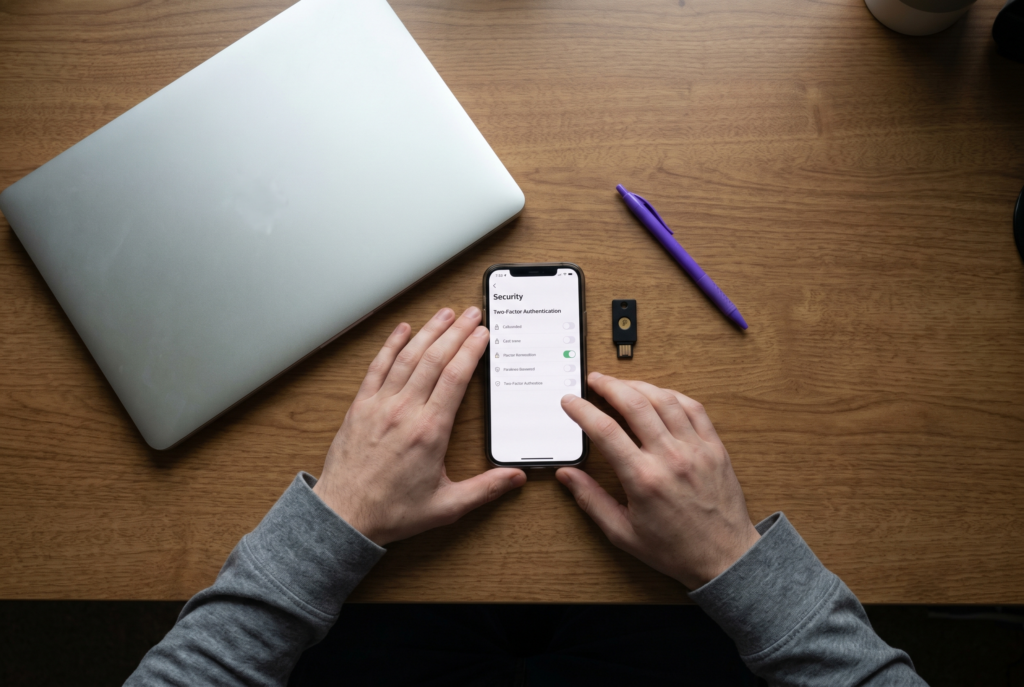
- Turn on two-factor authentication with an authenticator app.
- Verify your identity (name, address, date of birth, ID). US exchanges require this.
- Link a bank account by ACH to avoid card fees.
- Start with a small purchase and check the full fee on the preview screen.
- Decide whether to keep coins on the exchange or move them to a wallet you control.
Risks and red flags
- No FDIC insurance. The FTC notes that crypto held in accounts is not insured by the government like bank deposits.
- Irreversible payments. Crypto transfers generally cannot be reversed and lack card-style dispute rights.
- Guaranteed returns are a scam signal. Anyone promising guaranteed profit, or asking you to pay in crypto to release your funds, is likely a scammer.
- High-yield products. Advertised yields like Nexo’s “up to 16%” carry real risk. In 2023 Nexo agreed to pay $45 million to the SEC and state regulators over an unregistered lending product.
- Fake exchanges and impersonators. Type the exchange address yourself and never share a login code.
Report crypto fraud to the FTC at ReportFraud.ftc.gov, and to the SEC or CFTC for investment fraud.
Terms to know
- Spread
- The markup between the price an exchange quotes you and the current market price.
- Maker fee
- The fee for an order that rests on the order book and adds liquidity.
- Taker fee
- The fee for an order that matches immediately against an existing order.
- Proof of reserves
- An exchange's published evidence that it holds the customer assets it reports.
- Custodian
- The company that actually holds your crypto, which may differ from the app you use.
- Staking
- Locking crypto to help run a blockchain network in exchange for rewards, minus any platform commission.
- Stablecoin
- A token designed to track the value of a currency such as the US dollar.