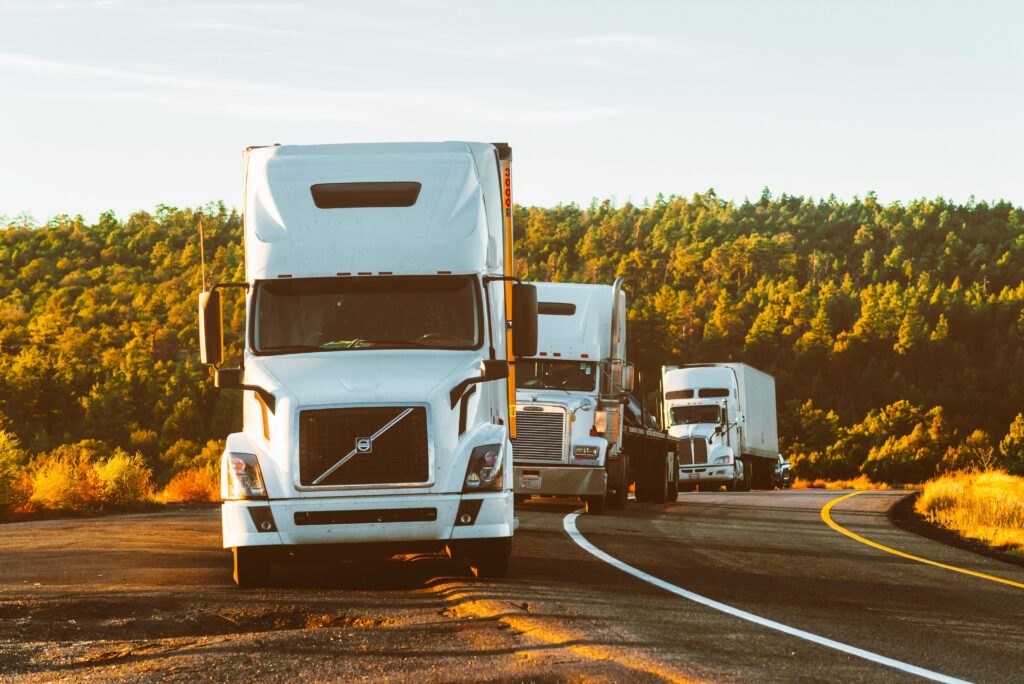
Choosing between Samsara vs. Verizon Connect is a common challenge for U.S. businesses searching for reliable fleet management software. But the comparison does not stop there. Fleet managers are also evaluating Motive vs Samsara, Geotab, and even niche tools like FleetWatcher, making the decision increasingly complex.
Recent search trends confirm this: queries for motive vs samsara comparison, samsara vs geotab, and samsara vs lytx have all surged as fleet operators look for the best value before committing to multi-year contracts. Understanding the differences between these platforms can help you avoid costly mistakes and vendor lock-in.
This comparison focuses on what truly matters for fleet operations: tracking accuracy, safety features, integration options, and Total Cost of Ownership (TCO). If you want to jump straight to vendor options, compare the best fleet and vehicle tracking companies here.
What Is the Difference Between Samsara, Verizon Connect, and FleetWatcher?
At a high level, all three provide GPS-based tracking, but their scope is very different:
- Verizon Connect is the enterprise powerhouse. Verizon Connect, a subsidiary of Verizon Communications (NYSE: VZ), leverages Verizon’s own cellular infrastructure to deliver fleet tracking with some of the lowest latency in the industry. It manages mixed fleets, meaning it tracks semi-trucks, service vans, and heavy construction assets all in one dashboard.
- Samsara positions itself as a “Connected Operations Cloud.” Samsara (NYSE: IOT), founded in 2015 by MIT engineers Sanjit Biswas and John Bicket, has grown to serve over 40,000 customers globally with its integrated platform combining vehicle tracking, AI-powered cameras, and IoT sensor data. It is the tech-forward choice for safety-conscious fleets.
- FleetWatcher (by AlignOps) is a niche tool designed strictly for heavy civil construction. While it offers ELD and recently added camera systems, its core strength remains tracking tons-per-hour and cycle times rather than general logistics.
Comparison Table: Features and Best Use Cases
| Feature | Samsara | Verizon Connect | Motive | FleetWatcher |
|---|---|---|---|---|
| Best For | AI Safety + Cloud Ops | Total Mixed Fleet Mgmt | Mid-Market Trucking | Niche Construction |
| Tracking | Vehicles + Assets | Vehicles + Heavy Assets | Vehicles + Trailers | Heavy Equipment Only |
| Dash Cam AI | Best-in-Class | Strong | Strong | Basic / Limited |
| ELD Compliance | Yes | Yes | Yes (Core Strength) | Yes (Recent Addition) |
| Ecosystem | Comprehensive Cloud | Enterprise Grade | Growing Rapidly | Limited Integration |
| Contract | 36-month standard | Custom enterprise | Monthly available | Custom |
Motive vs Samsara: How the Two Platforms Compare
The Motive vs Samsara comparison has become one of the most searched fleet management matchups in 2026. Both platforms target safety-conscious fleets, but they approach the market from different angles.
Motive, formerly known as KeepTruckin, rebranded in 2022 and has since expanded from a pure ELD compliance tool into a full fleet management platform serving over 120,000 businesses across the United States. Its core strength remains electronic logging and FMCSA compliance, where it built its reputation. Samsara, by contrast, was designed from the ground up as an integrated operations platform where dash cams, GPS, and sensor data feed into a single cloud.
For fleets primarily concerned with DOT compliance and cost-effective ELD, Motive often wins on value. Motive offers month-to-month contracts for its base ELD plans, which is a significant advantage over Samsara’s standard 36-month commitment. However, when AI-powered video safety and real-time driver coaching are priorities, Samsara’s camera ecosystem is more advanced.
The keeptruckin vs samsara comparison (using Motive’s former name) yields the same conclusion: Motive for compliance-first mid-market fleets, Samsara for technology-first operations that prioritize AI coaching and unified IoT data. For a broader view of the market, see our full buyer’s guide to fleet tracking companies.
Samsara vs Geotab: Fleet Intelligence Comparison
Another frequent comparison is Samsara vs Geotab, particularly among data-driven fleet operations. Geotab, a privately held Canadian company founded in 2000, processes over 75 billion data points daily from more than 4 million connected vehicles, making it one of the largest telematics data platforms in the world.
Geotab’s strength lies in its open API and massive data analytics capabilities. Fleets that need custom integrations, third-party app marketplace access, and granular vehicle diagnostics often gravitate toward Geotab. Samsara, meanwhile, offers a more polished out-of-the-box experience with superior AI camera integration.
The key trade-off: Geotab provides more flexibility for engineering teams that want to build custom dashboards and data pipelines, while Samsara provides a more turnkey solution that requires less technical expertise to deploy and manage.
GPS Tracking Accuracy: Samsara vs. Verizon Connect vs. FleetWatcher
Tracking accuracy is often the first concern for fleet operators. Samsara generally provides higher frequency location updates when vehicles are active, which is valuable for real-time dispatching. Verizon Connect offers incredibly reliable tracking with consistent performance, backed by their own cellular infrastructure. Because Verizon handles both on-road vehicles and off-road assets (like generators and excavators), most construction companies find it more efficient to use Verizon for everything rather than splitting data between multiple apps.
FleetWatcher focuses heavily on cycle times for pavers and earthmoving equipment. While useful for that specific task, it does not provide the unified fleet view that a CEO or Logistics Manager typically needs.
If you are new to vehicle tracking hardware, understanding how GPS devices connect through the OBD port can help. Learn more in our OBD Port Guide: What Drivers in the U.S. Should Know.
Mixed Fleet Tracking for Construction: Samsara vs. Verizon Connect
When dealing with construction, a “mixed fleet” means managing yellow iron (bulldozers, excavators) alongside on-road pickup trucks and semi-trailers. Verizon Connect has a distinct edge here due to its robust native hardware for powered and unpowered heavy equipment, allowing managers to track engine hours, PTO usage, and maintenance schedules all in one place.
Samsara also handles mixed fleets effectively through its unified Operations Cloud, but it truly shines when managers prioritize attaching AI safety cameras to construction vehicles alongside asset tracking. Samsara’s Environmental Monitoring sensors can track temperature, humidity, and door-open events on trailers and containers, extending its mixed fleet capabilities beyond standard GPS.
Safety and Driver Behavior Monitoring
Safety is where the major providers separate themselves from niche tools.
Samsara is the market leader in AI dash cams. Their cameras detect risky driving behaviors such as harsh braking, distracted driving, and unsafe following distances in real-time, offering immediate in-cab coaching. When evaluating camera-only solutions, fleet managers sometimes also compare Samsara against Netradyne (a standalone AI camera platform) and Lytx. The key distinction: Samsara bundles cameras into a full fleet OS, while Netradyne and Lytx focus exclusively on video safety. For fleets already using Verizon Connect or Geotab for GPS, adding a standalone camera provider may make sense, but most operators prefer the simplicity of a single vendor.
Verizon Connect also offers robust AI video solutions integrated directly into their platform. This allows managers to protect drivers from false claims and reduce insurance premiums. According to the National Safety Council, fleets using AI-powered dash cams and driver coaching programs have reported collision rate reductions of 20-60%, making safety technology one of the highest-ROI fleet investments available.
Samsara vs. Verizon Connect Pricing and Contract Terms
Pricing transparency is a challenge with most fleet management providers. None of the major platforms publish standard rates online, operating on a custom quote-based model.
Samsara typically separates pricing into hardware costs and a recurring software license fee with a standard 36-month contract. This reflects their premium positioning in the market. Verizon Connect generally bundles hardware and software into a single monthly fee per vehicle. For businesses looking to scale, bundling your fleet data plan with tracking software through Verizon can often unlock better enterprise value. Motive differentiates itself by offering month-to-month options on base plans, lowering the barrier to entry for smaller fleets.
Key Takeaway: Avoid managing multiple bills. Using a unified provider like Verizon Connect, Samsara, or Motive often lowers your administrative costs compared to paying for a niche tool like FleetWatcher plus a separate ELD provider.
Verizon Connect Competitors: How It Stacks Up in 2026
Verizon Connect’s main competitors in 2026 include Samsara, Motive (formerly KeepTruckin), Geotab, Lytx, Azuga, and Fleet Complete. While Motive and Azuga are excellent for standard trucking and smaller service fleets respectively, Verizon Connect maintains its dominance for massive, enterprise-scale operations.
The samsara vs lytx comparison is also worth noting: Lytx is the legacy leader in fleet video safety with over 25 years of dash cam data, while Samsara is the newer, broader platform. Lytx may appeal to fleets that want the deepest video analytics library, but Samsara wins on platform breadth and modern cloud architecture.
When stacked against Samsara, Verizon relies on its sheer telecommunications backbone and hardware integration, while Samsara wins on cloud interface modernity and AI safety processing. For a side-by-side comparison of all major providers, see our buyer’s guide to fleet tracking companies.
Samsara, Verizon Connect, Motive and FleetWatcher: Pros and Cons
| Provider | Pros | Cons |
|---|---|---|
| Samsara | Best-in-class AI safety, modern interface, real-time API integrations, unified IoT platform. | Premium pricing, strict 3-year contracts, may be over-engineered for small fleets. |
| Verizon Connect | Unmatched network reliability, manages entire mixed fleets, strong compliance tools. | Interface can be complex for very small teams, less flexible API than Geotab. |
| Motive | Strong ELD compliance, month-to-month options available, rapid feature expansion. | Camera AI less mature than Samsara, less suited for heavy off-road equipment. |
| FleetWatcher | Excellent for specific asphalt paving metrics and cycle times. | Creates data silos, lacks advanced safety and AI features for on-road compliance. |
| Bottom Line: Choose Verizon Connect for enterprise mixed-fleet coverage, Samsara for AI-first safety operations, Motive for compliance-focused mid-market fleets, and FleetWatcher only as a supplementary tool for heavy construction metrics. | ||
BestGuide Verified
Compare All Fleet Tracking Providers
Side-by-side comparison of Samsara, Verizon Connect, Motive, Geotab, and 10+ more providers
Frequently Asked Questions
Which fleet tracking software is best for 2026?
For most U.S. fleets: Verizon Connect for enterprise mixed-fleet management, Samsara for AI safety-first operations, and Motive for compliance-focused mid-market trucking. FleetWatcher remains viable only for heavy construction-specific metrics.
How much does Samsara cost compared to Verizon Connect?
Neither publishes standard pricing. Samsara typically separates hardware and software costs with a 36-month contract. Verizon Connect generally bundles hardware and software into a monthly per-vehicle fee. Motive offers month-to-month options on base plans. Request quotes from all three to compare total cost of ownership for your fleet size.
What is the difference between Motive and Samsara?
Motive (formerly KeepTruckin) started as an ELD compliance platform and has expanded into full fleet management with AI cameras and GPS tracking. Samsara was built from the start as a unified Connected Operations Cloud. Motive is generally more affordable with flexible contracts, while Samsara leads in AI camera technology and IoT sensor integration.
Is KeepTruckin the same as Motive?
Yes. KeepTruckin rebranded to Motive in 2022 to reflect its expansion beyond ELD compliance into full fleet management, AI dash cams, and spend management. The keeptruckin vs samsara comparison is now the motive vs samsara comparison.
How does Samsara compare to Geotab?
Geotab is the data analytics leader with an open API and the largest telematics marketplace. Samsara offers a more polished out-of-the-box experience with superior AI cameras. Choose Geotab if your team needs custom integrations and data pipelines. Choose Samsara if you want a turnkey solution with minimal setup.
How does Samsara compare to Lytx?
Lytx is the legacy leader in fleet video safety with over 25 years of dash cam data and machine-vision analytics. Samsara is a broader platform that includes cameras as part of a full fleet OS. If your primary need is deep video analytics, Lytx has the edge. For a unified platform covering GPS, ELD, cameras, and IoT, Samsara is the stronger choice.
Is Samsara better than Verizon Connect?
It depends on your priority. Samsara leads in AI-powered dash cams and driver safety coaching. Verizon Connect leads in mixed fleet management, network reliability, and enterprise-scale compliance tools. For most mixed fleets that include heavy equipment, Verizon Connect offers better total coverage.
Does FleetWatcher beat Samsara and Verizon Connect?
Not for most fleets. FleetWatcher is a niche tool optimized for heavy civil construction metrics like tons-per-hour and paving cycle times. For general fleet management, safety, or compliance, Samsara and Verizon Connect offer significantly more complete solutions.
How does Samsara compare to Verizon Connect for mixed fleet asset tracking?
Both support mixed fleets, but Verizon Connect’s infrastructure is particularly strong for managing trucks, vans, and heavy off-road equipment in a single dashboard. Samsara excels when AI safety is the priority alongside asset tracking.
Who are Verizon Connect’s main competitors?
Verizon Connect’s primary competitors include Samsara, Motive (formerly KeepTruckin), Geotab, Lytx, Azuga, Fleet Complete, and GPS Trackit. Samsara is its closest competitor in the enterprise segment.
Is FleetWatcher good for mixed construction fleets?
FleetWatcher is designed for heavy civil construction, specifically paving and earthmoving cycle time tracking. It is not a complete solution for mixed construction fleets that also need on-road compliance, ELD, or advanced safety features.
What is the FleetWatcher ROI compared to Samsara or Verizon Connect?
FleetWatcher delivers ROI specifically in construction productivity metrics. For broader fleets, Samsara and Verizon Connect typically show faster ROI by consolidating GPS tracking, ELD compliance, safety management, and reporting into one platform, eliminating the cost of multiple vendors.