The Quick Answer
Choosing the right crypto exchange comes down to more than low fees. Prioritize platforms with strong security controls, transparent pricing, and clear compliance with U.S. regulations. Weighing those factors together is what protects your assets and matches the platform to how you actually plan to trade.
The market for cryptocurrency trading platforms is crowded, which makes the starting point hard to find. Your choice of exchange sets the foundation for everything that follows, from what you pay on each trade to how well your holdings are protected. Rather than lean on marketing claims, the more reliable approach is to analyze the core features that separate a quality platform from a risky one.
Once you know how to evaluate security, fees, regulatory standing, and support, the decision gets much clearer. This guide breaks those elements down into a framework you can apply to any U.S. crypto exchange you are considering.
Security and Account Controls
Security is the first thing to weigh. The Consumer Financial Protection Bureau (CFPB), the federal agency that oversees consumer financial products, has flagged hacks, theft, and scams as serious and recurring problems in the crypto space. A secure exchange should layer several protections over your account and assets.
Look for mandatory two-factor authentication (2FA), which requires a second verification step to log in or withdraw. Withdrawal address whitelisting, which limits transfers to addresses you have pre-approved, adds another layer, as do login and withdrawal alerts for suspicious activity. Also check whether the platform keeps most customer assets in cold storage, meaning offline and out of reach of online attackers.
Understanding Crypto Fees
A platform’s fee structure directly affects your returns, and crypto fees are rarely as simple as they look. Most exchanges combine several charges, so it pays to read the fine print before you fund an account.
| Fee Type | Description |
|---|---|
| Trading fee | A percentage of the trade value. Many platforms use a maker-taker model, charging a lower fee for providing liquidity (maker) and a higher fee for taking it (taker). |
| Spread | The difference between the buy price and the sell price. This is a hidden cost some platforms build into the price you see. |
| Withdrawal fee | A flat fee for moving crypto off the exchange to a personal wallet. It can vary by cryptocurrency. |
| Deposit fee | A fee for funding your account, often on debit card or wire transfers. ACH transfers are frequently free. |
U.S. Regulation and Availability
Not every platform is available to all U.S. residents. Crypto is regulated at both the federal and state levels, and some states impose stricter rules than others. Before you sign up, confirm the exchange is licensed to operate in your state. A platform’s willingness to comply with U.S. rules is also a reasonable signal of its long-term stability. For shoppers who want to see how specific platforms stack up on this and other criteria, our Coinbase review covers state availability, fees, and security in detail.
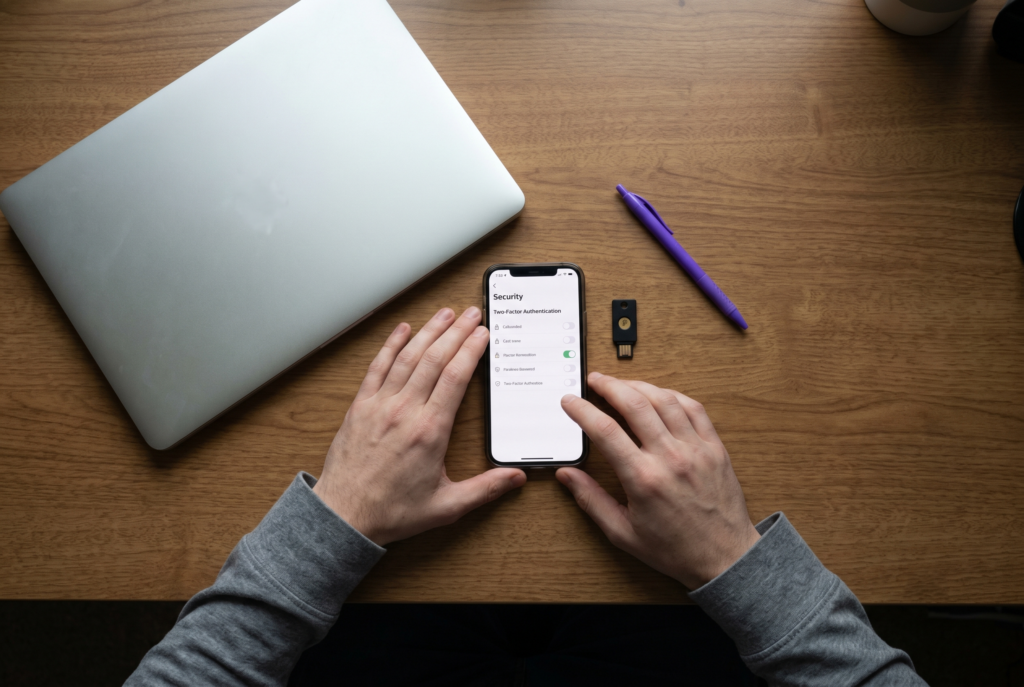
Strong security controls like two-factor authentication and a hardware key are the first thing to check when choosing a crypto exchange.
Supported Assets and Trading Pairs
If you only plan to trade major coins like Bitcoin or Ethereum, almost any exchange will do. If you want smaller alternative coins, you need to check which assets the platform actually lists. Some exchanges support thousands of coins, while others stay conservative and list only well-established projects. Make sure the platform offers the specific assets you intend to buy before you commit. Our Kraken review looks at one platform known for a deep asset list and a transparent fee model.
Funding and Withdrawal Methods
A practical detail is how you move U.S. dollars in and out. Common funding methods include ACH bank transfers, wire transfers, and debit cards. ACH is usually the cheapest but can take a few days to clear. Wire transfers are faster but generally cost more. Debit card purchases are typically instant but carry higher fees. Match the method to whether you value cost or speed.
Tax Reporting Features
The IRS treats cryptocurrency as property, which means you owe capital gains tax when you sell, trade, or spend crypto at a profit. A good exchange makes tax season easier by providing downloadable transaction histories and tax forms. For digital asset sales made on or after January 1, 2025, brokers are required to report gross proceeds on the new Form 1099-DA, with the first of those forms reaching taxpayers in early 2026. That makes a platform’s built-in reporting tools more valuable than ever.
A Critical Note on Insurance
One genuine limitation applies to every crypto platform: the lack of certain investor protections. Unlike a bank account or a traditional brokerage account, assets held on a crypto exchange are not insured by the FDIC or SIPC. If the exchange fails or becomes insolvent, your funds are not guaranteed. The Federal Trade Commission also notes that crypto payments are not reversible. Once you send crypto, you cannot claw it back without the recipient’s cooperation.
The Bottom Line
Choosing a crypto exchange comes down to a handful of factors that matter more than any single advertised rate. As you compare your options, keep these points in mind:
- Security first: Favor platforms with mandatory 2FA and cold storage for the bulk of customer assets.
- Fee transparency: Understand the full schedule, including trading fees, spreads, and withdrawal costs.
- State availability: Confirm the exchange is licensed in your state before creating an account.
- Asset selection: Make sure the platform lists the specific cryptocurrencies you want.
- Funding options: Check for convenient, low-cost ways to deposit and withdraw dollars.
- Acknowledge the risks: Crypto assets are not FDIC or SIPC insured, and transactions are irreversible.
Frequently Asked Questions
How do I choose the best crypto app for my needs?
It depends on your experience and goals. Beginners should look for a simple interface and educational resources. Active traders may prioritize low fees, advanced charting, and a wide coin selection. Whatever your profile, confirm security features and state availability first.
What security features should I look for in a crypto exchange?
Look for mandatory two-factor authentication (2FA), cold storage for most customer funds, and email or phone alerts for logins and withdrawals. Withdrawal address whitelisting adds another layer of protection.
What are the fees associated with crypto trading platforms?
Common fees include trading fees (a percentage of each transaction), spreads (the gap between buy and sell prices), and withdrawal fees for moving crypto off the platform. Some exchanges also charge for certain deposit methods, such as debit cards or wire transfers.
How are crypto transactions taxed in the US?
The IRS treats cryptocurrency as property. Selling, exchanging, or spending crypto is a taxable event, and you must report any capital gains or losses. Exchanges that provide tax documents make this easier.
Are my crypto deposits insured?
No. Unlike money in a bank account, cryptocurrency held on an exchange is not protected by FDIC or SIPC insurance. Some exchanges carry private insurance against hacks, but that does not guarantee recovery of your individual funds if the company fails.
What are the common scams to watch out for with crypto exchanges?
The FTC warns that any business or government agency demanding payment in cryptocurrency is a scam. Watch for phishing emails and fake websites that mimic real exchanges to steal your login details, and never share your password or 2FA codes.