

⚡ Key Takeaways
- 0% APR business credit cards give a small business an interest-free window, often 9 to 15 months, to finance equipment, inventory, or uneven cash flow.
- Intro periods on business cards tend to run shorter than on consumer cards, so the payoff math is tighter.
- Business cards generally require a personal guarantee, meaning your personal credit and assets back the account.
- Many business cards lack the same consumer protections as personal cards, so the issuer’s specific terms matter more.
A 0% APR business credit card is a business card that charges no interest on purchases, balance transfers, or both for a set introductory period. For a small business owner, that interest-free window is working capital. It lets you buy equipment, stock inventory, or smooth out a slow season without paying finance charges, as long as you clear the balance before the promotion ends.
This guide explains how 0% APR business cards work, how they differ from consumer cards, who they suit, and the fine print that decides whether the offer actually helps. The focus is on making a clear-eyed decision rather than reacting to the headline rate.
How a 0% APR business card works
The structure mirrors a consumer 0% card with a business twist. You are approved based on your business and personal credit, then for a fixed number of months the card charges 0% APR on qualifying balances. During that window, payments reduce the principal directly because no interest accrues.
When the intro period ends, the regular APR applies to any remaining balance. Business card intro periods are often shorter than consumer ones, frequently in the 9-to-15-month range rather than up to 21 months, which compresses your payoff timeline. The shorter the window, the more disciplined your monthly payment has to be.
How business cards differ from consumer cards
The biggest difference is legal and financial, not cosmetic. Most small business cards require a personal guarantee, which means you are personally responsible for the debt even though the card carries your business name. If the business cannot pay, the issuer can pursue you personally, and the activity can affect your personal credit.
A second difference is protection. Many of the federal protections that apply to consumer cards under the CARD Act, such as limits on rate increases and certain billing rules, do not automatically extend to business cards. Some issuers voluntarily apply similar protections, but you cannot assume them. That makes the specific cardholder agreement more important to read on a business card than on a consumer one.
| Feature | 0% APR business card | 0% APR consumer card |
|---|---|---|
| Typical intro window | Often 9 to 15 months | Often 12 to 21 months |
| Personal guarantee | Usually required | Not applicable |
| CARD Act protections | Often do not automatically apply | Apply by law |
| Credit reporting | May report to business or personal bureaus, varies by issuer | Reports to personal bureaus |
Who benefits from a 0% APR business card
This card suits a business with a specific, time-bound financing need and a plan to repay it. The clearest cases share a pattern: a known cost now, and predictable revenue to cover it before the intro period ends.
- A startup buying equipment or initial inventory it expects to pay off within a year.
- A seasonal business bridging a slow stretch before a busy season restores cash flow.
- An owner financing a one-time project, such as a buildout or a marketing push, with a clear payoff date.
- A business consolidating an existing higher-rate balance onto a 0% intro balance transfer offer.
If your need is ongoing rather than time-bound, or your revenue is too uncertain to commit to a payoff schedule, a 0% card is a riskier fit. The interest-free window is an advantage only if you can use it before it closes.
Compare Options
Match a 0% APR card to your financing plan
Our guide compares intro periods, regular APRs, and fees so you can see which 0% cards give your business the runway it needs.
What to compare before applying
The intro APR length is the starting point, but several other terms decide the true value of a business card offer. Weigh them as a set.
- The length of the 0% window and whether it covers purchases, balance transfers, or both.
- The regular APR that applies after the intro period, since a remaining balance will hit that rate.
- The annual fee, weighed against the value of the intro offer and any rewards.
- The balance transfer fee, if you plan to move existing business debt onto the card.
- Whether the issuer extends CARD Act-style protections and how it reports activity to credit bureaus.
A no-frills card with a long purchase intro and no annual fee can serve a financing need better than a rewards-heavy card with a short window and a fee. If you also want to earn on everyday spend while you carry an intro balance, the Capital One VentureOne review shows how an intro-APR card pairs a 0% window with rewards. Match the structure to the job you are hiring the card to do.
The fine print that erases the benefit
Three details quietly undo the value of a 0% business offer. The first is the personal guarantee, which means a missed payoff can follow you personally, so treat the debt as your own. The second is new purchases on a balance transfer offer. As the CFPB notes, if you carry a balance, new purchases can start accruing interest immediately unless the offer specifically covers them.
The third is the deadline itself. A balance left when the intro period ends starts accruing interest at the regular business APR, which can sit well above 20%. Divide your planned balance by the number of intro months and treat that as a non-negotiable monthly payment. For the broader mechanics behind these promotions, our explainer on how 0% APR credit cards work covers intro periods, fees, and pitfalls in depth.
How we evaluate 0% APR business cards
At BestGuide, we rank 0% APR business cards on four criteria: the length and scope of the intro APR, the regular APR afterward, the annual fee, and the transparency of the issuer’s terms, including whether CARD Act-style protections apply. Paid placement can affect how visible a card is on our pages, but it never changes those criteria or how a card’s terms compare with the category.
The bottom line
A 0% APR business credit card turns a defined financing need into an interest-free runway, which is valuable when you have a clear cost to cover and predictable revenue to repay it. The shorter intro windows and lighter protections on business cards mean the terms deserve closer reading than on a consumer card.
If your need is time-bound and your payoff plan is realistic, a long purchase intro with no annual fee is usually the strongest structure. If your financing need is open-ended or your revenue is uncertain, weigh a lower ongoing-rate option instead. Read the cardholder agreement, confirm the personal guarantee terms, and size your monthly payment to clear the balance before the rate resets.

A small business owner reviews supplier invoices and her accounts before choosing a 0% APR business credit card to finance inventory.
Frequently asked questions
What credit do I need for a 0% APR business card?
Most issuers evaluate both your business and personal credit, and the strongest 0% offers usually require good to excellent personal credit, often a FICO score around 670 or higher. Newer businesses without an established credit file are typically assessed mainly on the owner’s personal credit. Approval and limits depend on the issuer’s full review.
Do business credit cards require a personal guarantee?
Most small business credit cards require a personal guarantee, meaning you are personally responsible for the debt even though the card is in the business name. If the business cannot repay, the issuer can pursue you personally, and the account activity can affect your personal credit. A small number of corporate cards waive this for larger companies.
How long do business card intro APR periods last?
Business card intro periods commonly run shorter than consumer offers, often around 9 to 15 months rather than up to 21. After the intro window ends, the regular APR applies to any remaining balance. Always confirm whether the 0% rate covers purchases, balance transfers, or both.
Do business cards have the same protections as consumer cards?
Not always. Many CARD Act protections that apply to consumer cards, such as limits on rate increases and certain billing rules, do not automatically extend to business cards. Some issuers voluntarily apply similar protections, but you should confirm this in the cardholder agreement rather than assume it.
Can I use a personal 0% card for business expenses instead?
You can, and some owners do, but it mixes personal and business finances, which complicates bookkeeping and taxes. A dedicated business card keeps expenses separate and may report to business credit bureaus, helping build a business credit profile. The right choice depends on your record-keeping needs and how the issuer reports activity.
This article is for general educational purposes only and is not financial advice. Business credit card terms, fees, rates, and protections change and vary by issuer and applicant. Review an issuer’s current terms and consider your own circumstances, or consult a qualified financial or legal professional, before making a decision.
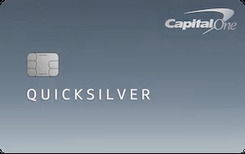 Capital One Quicksilver
 Capital One VentureOne Rewards
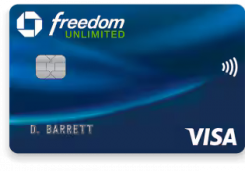 Chase Freedom Unlimited
 Discover it® Cash Back
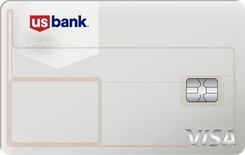 U.S. Bank Shield Visa Card
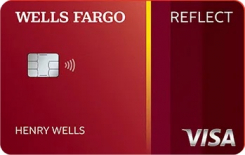 Wells Fargo Reflect®