

⚡ Key Takeaways
- A 0% APR card charges no interest during a set intro period, usually 12 to 21 months, on purchases, balance transfers, or both.
- Balance transfers almost always carry a 3% to 5% fee, even though the rate is 0%, so the offer is low-cost, not free.
- When the intro period ends, the regular APR applies only to the balance that remains, not retroactively to the whole amount.
- The biggest pitfalls are deferred interest offers in disguise, new purchases that accrue interest right away, and losing the rate by paying more than 60 days late.
Knowing how balance transfers work and how 0% APR cards work is the difference between borrowing for free and paying for a mistake. A 0% APR credit card gives you a window where a qualifying balance carries no interest, which is one of the few legitimate ways to pause the cost of debt. This guide covers the intro period, the fees, and the pitfalls so you can use one of these cards without getting caught.
The reason this matters is the cost of the alternative. The average rate on credit card accounts assessed interest was 21.52% in early 2026, per the Federal Reserve, and Americans carried roughly $1.25 trillion in credit card balances in the first quarter of 2026, according to the Federal Reserve Bank of New York. Against rates that high, even a year of 0% is a meaningful break.
What a 0% APR credit card actually is
APR stands for annual percentage rate, the annualized cost of borrowing on the card. A 0% APR card sets that rate to zero for a defined introductory window, so a qualifying balance accrues no interest during that time. The promotion applies to purchases, balance transfers, or both, depending on the card.
The intro period is temporary by design. When it ends, the card’s regular variable APR takes over on whatever balance is left. The goal of using one of these cards is to clear the balance, or most of it, before that switch happens.
How the intro period works
Intro periods typically run 12 to 21 months, and the length is one of the main things that separates cards. A longer window gives you more months to pay down the balance interest-free, which lowers the monthly payment required to finish on time.
There is a federal floor on how long an intro rate has to last. The CFPB explains that an introductory rate must stay in effect for at least six months, unless you are more than 60 days late on a payment. That late-payment exception is important: fall far enough behind and the issuer can end your 0% rate early.
Purchase APR versus balance transfer APR
Not every 0% offer covers the same thing, and assuming it does is a common mistake. A card may offer 0% on new purchases, 0% on balance transfers, or both, sometimes for different lengths of time.
If your goal is to pay down existing debt, you want a strong balance transfer intro APR. If you are financing a planned purchase, you want a purchase intro APR. Read which one the offer applies to, and for how long, before you assume a single 0% rate covers everything you plan to do with the card.
The fees: why 0% is not free
The most overlooked cost is the balance transfer fee. A card issuer is permitted to charge a transfer fee even on a 0% rate offer, the CFPB confirms, and it usually runs 3% to 5% of the amount you move.
On a $6,000 transfer, a 3% fee adds $180 and a 5% fee adds $300 to your balance up front. That cost is still far less than a year of interest at 21%, but it changes the math on short promos and small balances. Always weigh the one-time fee against the interest you are actually avoiding.
| Cost factor | What to expect | Why it matters |
|---|---|---|
| Balance transfer fee | 3% to 5% of the amount moved | Charged even on 0% offers, added up front |
| Go-to APR | The regular variable rate after the promo | Applies to any balance left when intro ends |
| Interest on new purchases | Can start immediately if not also 0% | A transfer card is not a free spending account |
| Late-payment penalty | Lost rate plus a late fee | 60+ days late can end the 0% early |
Pitfall one: deferred interest disguised as 0%
The most expensive trap is mistaking deferred interest for a true 0% APR. They look identical in the marketing, but they end very differently. Deferred interest, common on store cards and retail financing, holds the interest during the promo and charges all of it if you miss the payoff deadline.
With a real 0% card, missing the deadline means interest on the leftover balance only. With deferred interest, the CFPB warns you will be charged interest going back to the purchase date on the full original amount. The only reliable defense is to pay the promotional balance in full before the deadline, and to confirm in writing which type of offer you actually hold before you sign up.
Pitfall two: new purchases that quietly accrue interest
A 0% balance transfer offer does not always extend to new spending. The CFPB notes that for most cards, if you carry a balance, new purchases accrue interest from the transaction date, even while your transferred balance sits at 0%.
That creates a hidden cost if you treat the card as everyday plastic. Worse, payment allocation rules can send your extra payments to the higher-rate purchase balance first, leaving the balance you meant to clear untouched. The simplest fix is to stop using the card for purchases until the transferred balance is paid off.
Pitfall three: losing the rate to a late payment
A 0% rate is conditional, not guaranteed for the full term no matter what. Paying more than 60 days late can cost you the promotional rate entirely, on top of a late fee. After that, the regular APR applies to your balance immediately.
The defense is automatic: set up at least the minimum payment on autopay so a missed due date can never end your promo. Then pay extra on top of that to actually clear the balance during the window.
Compare Options
Find a 0% APR card that fits your plan
Our buyer’s guide compares intro periods, transfer fees, and go-to rates across the 0% APR cards we reviewed.
How to choose the right 0% APR card
Once you understand the structure, choosing comes down to matching the card to your goal. Compare four things in order: what the 0% applies to, how long it lasts, the transfer fee, and the go-to APR.
If you are consolidating debt, prioritize a long balance transfer window and a low fee. A flat-rate rewards card with an intro APR can fit when you also want ongoing value, and the Chase Freedom Unlimited review shows how that combination works. If your credit is still rebuilding and the long promos are out of reach, a low ongoing APR can beat a short 0% window, and the Navy Federal Platinum review covers that kind of low-rate option. Business owners financing equipment or smoothing cash flow have their own set of intro-APR products, which our guide to the best 0% APR business credit cards breaks down in detail.
Who a 0% APR card is right for
These cards reward a specific kind of borrower: someone with a defined balance and a realistic plan to pay it down inside the intro window. If you have $5,000 in debt and can pay roughly $300 a month, an 18-month 0% window clears it with room to spare and saves the interest you would otherwise pay.
They are a poor fit for open-ended spending or for borrowers who will only make minimum payments. Used that way, you reach the end of the promo with a balance and then pay the full regular APR on it, having gained little. The card is a payoff tool, not a way to spend more.
The bottom line
A 0% APR credit card is one of the clearest ways to borrow without interest, but only if you treat the intro period as a deadline and the offer as low-cost rather than free. Confirm whether the 0% applies to purchases, transfers, or both, check the length, and budget for a 3% to 5% transfer fee. Avoid the three pitfalls: deferred interest in disguise, new purchases that accrue interest right away, and a late payment that ends the rate. To act on this, total your balance, divide it by the intro months to set your monthly payment, put the minimum on autopay, and stop new spending on the card until the balance is gone. Then compare cards on what the 0% covers, the length, the fee, and the go-to rate, and pick the one that matches how fast you can realistically pay.

Comparing the intro period, transfer fee, and go-to rate across offers is the fastest way to find a 0% APR card that matches how quickly you can pay down a balance.
Frequently asked questions
How do 0% APR credit cards work?
A 0% APR card charges no interest on a qualifying balance during an introductory period, usually 12 to 21 months. The promo can apply to purchases, balance transfers, or both. When the intro period ends, the regular variable APR applies only to the balance that remains, not to amounts you already paid off.
Do balance transfers cost money on a 0% card?
Usually yes. Most cards charge a balance transfer fee of 3% to 5% of the amount moved, and an issuer is allowed to charge that fee even on a 0% offer. On a $5,000 transfer that is $150 to $250 added up front, so the offer is low-cost rather than entirely free.
What happens when the 0% intro period ends?
The card’s regular variable APR takes over on whatever balance is left. Unlike deferred interest, a true 0% card does not charge interest retroactively, so you only pay interest going forward on the remaining balance. Clearing the balance before the intro period ends avoids that cost entirely.
Can I lose my 0% APR rate?
Yes. Paying more than 60 days late can end the promotional rate early, after which the regular APR applies. An introductory rate generally has to last at least six months unless you trigger that late-payment exception, so keeping at least the minimum payment on time protects the offer.
Is a 0% APR card the same as deferred interest?
No. With a true 0% card, missing the payoff deadline means interest only on the leftover balance. With deferred interest, common on store cards, missing the deadline means interest charged on the entire original purchase, going back to the purchase date. Confirming which offer you have prevents an expensive surprise.
This article is for general informational purposes only and does not constitute financial advice. Credit card terms, intro periods, fees, and interest rates vary by issuer and applicant and can change at any time. Review each card’s official terms and consider your own financial situation before applying.
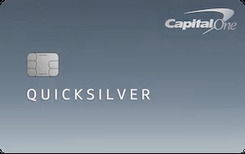 Capital One Quicksilver
 Capital One VentureOne Rewards
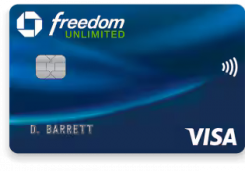 Chase Freedom Unlimited
 Discover it® Cash Back
 U.S. Bank Shield Visa Card
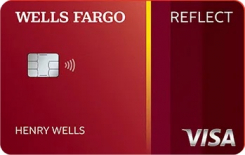 Wells Fargo Reflect®