

⚡ The Quick Answer
The best cash back business credit cards reward the categories small businesses actually spend in, office supplies, advertising, shipping, dining, and everyday purchases, while separating business expenses from personal finances. Strong options earn a flat 1.5% to 2% on everything or tiered rates up to 5% in business categories. A business card also reports to commercial credit bureaus, helping you build a business credit profile. As with any rewards card, the cash back only matters if you pay the balance in full, because business card APRs commonly run above 20%.
A cash back business credit card is a card issued to a business, sole proprietorship, or self-employed individual that returns a percentage of spending as cash. The core appeal is twofold: rewards on the categories businesses spend heavily in, and a clean separation between business and personal expenses that simplifies bookkeeping and taxes.
This guide explains how business cash back cards work, the reward structures available, who qualifies, and how to choose. Every figure is anchored to a primary source: issuer terms, the Federal Reserve’s consumer credit data, the Consumer Financial Protection Bureau (CFPB), and the U.S. Small Business Administration (SBA), the federal agency that supports small businesses.
You do not need an LLC to qualify
One of the most common misconceptions is that business cards require a registered company. In practice, sole proprietors and self-employed people qualify using their own name and Social Security number. Freelancers, gig workers, eBay sellers, and contractors are all eligible business applicants.
Issuers ask for your business type, estimated annual revenue, and years in operation. A new or part-time venture with modest revenue can still qualify, because approval leans heavily on your personal credit score for smaller businesses.
Flat-rate versus tiered: the two business reward structures
Business cash back cards earn in two main ways, mirroring consumer cards but tuned to business spending. Understanding how these structures compare with points and miles helps you decide whether cash back is even the right currency for your business, a question worth working through in our overview of cash back versus points versus miles.
- Flat-rate: One rate, commonly 1.5% or 2%, on every purchase. Best for businesses with spending spread across many categories.
- Tiered: Elevated rates, often 3% to 5%, in business categories like office supplies, internet and phone, advertising, or shipping, with 1% on everything else. Best for businesses concentrated in a few cost centers.
The decision mirrors consumer cards. A business spending evenly across travel, dining, supplies, and software is better served by a 2% flat-rate card. A business that pours most of its budget into online advertising or office supplies earns more from a tiered card that bonuses those categories.
Best flat-rate cash back business cards
Flat-rate business cards are the simplest way to earn on every dollar without category tracking. Several issuers offer a no-fee or low-fee business card at 1.5%, and the strongest options reach 2% on all purchases.
For business owners who also use consumer cards, a familiar comparison helps. The Capital One Quicksilver, a consumer card, earns a flat 1.5%, and its business-side counterparts follow the same logic. Our Capital One Quicksilver review explains how a flat-rate structure performs against tiered cards, and the same math applies on the business side: a 2% flat rate beats a 1.5% rate by $100 a year for every $20,000 in spending.
Compare Options
Compare business and personal rewards cards
Our rewards buyer’s guide ranks cash back cards on earn rate, welcome bonus, and real annual value so you can match one to your business spending.
Best tiered category cash back business cards
Tiered business cards reward concentrated spending. A common structure pays elevated rates on a capped amount of combined spending in categories like office supply stores, internet, cable, and phone services, then a base rate after the cap.
The American Express family illustrates the tiered approach well on the consumer side, with elevated grocery and category rates. Our American Express Blue Cash Preferred review walks through how tiered category rewards and a spending cap interact, the same mechanics a business card uses for office and advertising categories. The lesson transfers directly: a tiered card wins only when your category spending is high enough that the bonus rate beats a flat 2% across your whole budget.
Business card or personal card for business spending?
Many sole proprietors wonder whether to just use a personal cash back card for business expenses. There are real reasons to choose a dedicated business card.
| Factor | Business cash back card | Personal card for business use |
|---|---|---|
| Expense separation | Clean, simplifies taxes | Mixed, harder to track |
| Builds business credit | Often reports to commercial bureaus | No |
| Business-tuned categories | Yes (supplies, ads, shipping) | No |
| Higher credit limits | Typically yes | Lower personal limits |
For anything beyond occasional purchases, a dedicated business card is the cleaner choice. The expense separation alone saves hours at tax time, and the SBA recommends keeping business and personal finances separate as a basic financial-management practice.
How to choose a business cash back card
Match the card to where your business actually spends, then weigh the welcome bonus.
- Review last year’s expenses and identify your top three spending categories.
- If spending is concentrated, choose a tiered card that bonuses those categories.
- If spending is spread out, a 2% flat-rate card returns the most with no tracking.
- Factor in the welcome bonus, which on business cards often requires higher spend but pays more than consumer equivalents.
Why APR and personal liability matter
Most small business cards carry a personal guarantee, meaning you are personally liable for the debt. Business card APRs commonly run above 20%, and the Federal Reserve reports average consumer card rates above 21%. Carrying a balance erases cash back quickly and puts your personal credit at risk.
The CFPB notes that revolving balances cost cardholders far more in interest than they earn in rewards. Treat a business cash back card as a payment and rewards tool, not a financing tool. If you need to carry a balance, a lower-cost financing option is a better decision than any rewards card.
The Bottom Line
The best cash back business credit card is the one whose rewards match your business’s real spending, while keeping those expenses separate from your personal finances. Concentrated spenders should choose a tiered card; businesses with spread-out costs earn the most from a 2% flat-rate card.
Whichever you choose, the card’s value comes from disciplined use: pay in full, route the right spending to the right card, and let the expense separation simplify your books. At APRs above 20%, paying the balance every month is the single habit that keeps the rewards worth earning.

A small business owner checks her expense report while reviewing a cash back business credit card, keeping business spending separate from personal finances.
Frequently asked questions
Do I need an LLC to get a business credit card?
No. Sole proprietors and self-employed people qualify using their own name and Social Security number. Freelancers, contractors, and gig workers are all eligible. Issuers ask for your business type and estimated revenue, but a formal company is not required.
What is the best cash back rate for a business card?
The strongest flat-rate business cards earn 2% on all purchases. Tiered cards can reach 3% to 5% in specific business categories like office supplies or advertising, but only on a capped amount, with 1% after the cap or in other categories.
Does a business credit card help build business credit?
Often, yes. Many business cards report to commercial credit bureaus, which builds a business credit profile separate from your personal credit. This can help you qualify for larger financing later. Reporting practices vary by issuer.
Can I use a personal card for business expenses instead?
You can, but a dedicated business card keeps expenses separate, simplifies taxes, offers business-tuned reward categories, and typically provides higher credit limits. The SBA recommends keeping business and personal finances separate as a basic practice.
Are business card rewards taxable?
Cash back earned on purchases is generally treated as a rebate rather than income for the business. However, it may reduce the deductible amount of the expense it relates to. Confirm the specifics with a tax professional or accountant.
Am I personally liable for business card debt?
For most small business cards, yes. They carry a personal guarantee, meaning you are personally responsible for the balance if the business cannot pay. This is why paying in full each month matters as much for business cards as for personal ones.
This article is for general informational purposes only and does not constitute financial, tax, or legal advice. Business credit card terms, rates, and rewards are set by the issuer and can change. Review the issuer’s official terms before applying and consider consulting a qualified accountant or financial professional about your business.
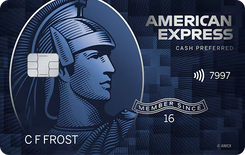 Amex Blue Cash Preferred
 Amex Gold
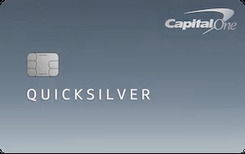 Capital One Quicksilver
 Capital One Savor
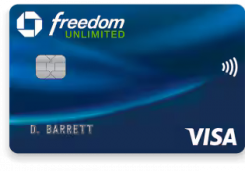 Chase Freedom Unlimited
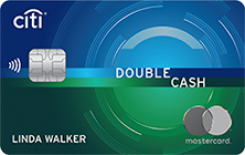 Citi Double Cash® Card
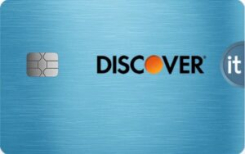 Discover it® Cash Back
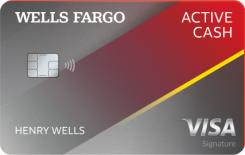 Wells Fargo Active Cash®