

⚡ Key Takeaways
- There is no single winner. Cash back, points, and miles each win for a different type of spender, and the right answer depends on how you spend and redeem.
- Cash back is the most predictable, redeeming at a fixed rate with no devaluation risk and no learning curve.
- Points are the most flexible, redeemable for cash, travel, or transfers, with higher potential value for those who optimize.
- Miles reward loyalty to a specific airline or hotel and can deliver outsized value, but lock you into one program.
Cash back, points, and miles are the three currencies of credit card rewards, and people argue about which is best as if there were one answer. There is not. Each currency wins decisively for a different kind of spender. The useful question is not which is best in the abstract, but which fits how you actually spend and how much effort you will put into redeeming.
This guide defines each currency, shows what each is typically worth, and gives you a clear framework for deciding. By the end you should be able to name your own profile and the currency that serves it.
Cash back: the simplest currency
Cash back returns a percentage of your spending as money. It is the most straightforward reward type. You earn a set rate, often 1% to 5% depending on the card and category, and redeem as a statement credit, a deposit, or a check.
The defining traits are predictability and stability. One cent of cash back is worth one cent, always, and it cannot be devalued by a program change. There are no award charts, no transfer partners, and no expiration games to track. The ceiling is lower than points or miles can reach, but the floor is solid and the effort is near zero.
Points: the most flexible currency
Points are a hybrid. Cards that earn transferable points let you redeem them as cash, book travel through an issuer portal, or transfer them to airline and hotel partners. That flexibility is the entire appeal. You can keep it simple by taking cash, or chase higher value through transfers.
The value of a point depends on how you use it. As cash, a point is usually worth about 1 cent. Transferred to a travel partner and booked well, it can be worth more. The cost of that upside is complexity. Maximizing points means learning transfer ratios and award availability, which not everyone wants to do.
Miles: the loyalty currency
Miles are tied to a specific airline or hotel program, either directly through a co-branded card or through points transferred into that program. For someone loyal to one airline or hotel chain, miles can deliver strong value, especially on premium-cabin flights or peak-season hotel nights where the cash price is high.
The trade-off is concentration. Miles in one program are most valuable when you use that program. If your travel plans change, or the airline raises the miles required for an award, your rewards are harder to redeem well. Miles reward commitment and punish flexibility, which is the opposite of how points behave.
How the three currencies compare on value and effort
| Currency | Typical Value | Flexibility | Effort | Best For |
|---|---|---|---|---|
| Cash back | ~1 cent per point, fixed | Low | Low | Simplicity seekers |
| Points | 1 cent as cash, more via transfer | High | Medium to high | Flexible optimizers |
| Miles | Variable, high on premium awards | Low, locked to one program | Medium to high | Loyal travelers |
*Values are general benchmarks. Actual value depends on the card, program, and specific redemption.
The rewards market is large and growing
Rewards are not a niche feature. According to the Consumer Financial Protection Bureau, the federal agency that supervises consumer financial products, more than 90% of general-purpose credit card spending has occurred on rewards cards since 2019. Earned rewards across all three currencies grew from just over $26 billion in 2019 to more than $47 billion in 2024, a rise of nearly 80% in five years, per the CFPB’s reporting.
That scale comes with a caution that applies across cash back, points, and miles alike. The CFPB has documented consumers losing earned rewards to devaluation, hidden conditions, and redemption obstacles. Points and miles carry devaluation risk that cash back does not, which is a real factor in choosing a currency, not just a footnote.
Compare Options
Match a card to your rewards currency
Once you know whether cash back, points, or miles fits you, compare the top cards in each currency by earn rate and fee.
Cash back vs points: certainty against flexibility
The clearest trade-off is between cash back and points. Cash back gives you a fixed, knowable return with no effort. Points give you a flexible return that can be higher, but only if you put in the work to transfer and redeem well.
For most people who spend moderately and value their time, cash back wins this matchup. A flat cash back card like the one in our Capital One Quicksilver review returns a steady percentage with one-step redemption. For someone who travels and enjoys optimizing, a transferable-points card such as the structure described in our American Express Gold Card review can pull ahead, provided the points get used at travel value.
Points vs miles: flexibility against loyalty
Points and miles look similar but behave differently. Points keep your options open across multiple airlines, hotels, and cash. Miles concentrate value in one program, which can be a strength if you fly or stay with that brand consistently.
The decision turns on your travel pattern. If you spread your travel across carriers and want to keep cash on the table, transferable points are more forgiving. If you are loyal to a single airline or hotel and book premium redemptions there, a co-branded miles card can return more on that specific program, at the cost of flexibility everywhere else.
So which rewards card wins?
The winner is the currency that matches your profile. Choose cash back if you want the highest certainty and the least effort, and if you do not travel enough to justify learning a points program. Choose points if you travel, value flexibility, and will spend some time optimizing redemptions. Choose miles if you are loyal to one airline or hotel and consistently book high-value awards in that program.
A card earning rotating or tiered cash back, like the one in our Discover it Cash Back review, suits a simplicity-first spender, while heavy grocery and dining spenders may prefer a category card such as the one in our Blue Cash Preferred review. Business owners weighing the same question can start with our guide to the best cash back business credit cards, where the flat-rate versus category trade-off plays out the same way. The point is to start from your own habits, not from a ranking.
Bottom line: name your profile, then pick
Cash back, points, and miles do not compete for a single crown. They serve different spenders. Cash back wins on certainty and simplicity, points win on flexibility and upside for those who optimize, and miles win on loyalty value for committed travelers. Each carries a trade-off: cash back caps your upside, points demand effort, and miles lock you into one program.
Decide in three steps. First, estimate your monthly spend by category. Second, decide honestly how much effort you will put into redeeming. Third, pick the currency that fits both answers, then choose a card within it. To compare specific cards across all three currencies, see our best rewards credit cards buyer’s guide.

Comparing rewards currencies side by side helps you see how cash back, points, and miles fit different spending and travel habits before choosing a card.
Frequently asked questions
Is cash back, points, or miles the best rewards type?
None is best for everyone. Cash back is best for simplicity and certainty, points are best for flexibility and higher potential value through travel transfers, and miles are best for travelers loyal to one airline or hotel. The right choice depends on how much you spend, how you travel, and how much effort you will put into redeeming.
What is the difference between points and miles?
Points are usually flexible and can be redeemed for cash, travel through an issuer portal, or transfers to multiple airline and hotel partners. Miles are typically tied to a specific airline or hotel program, either through a co-branded card or a transfer into that program. Points keep your options open across programs, while miles concentrate value in one.
Which rewards currency gives the most value?
It varies by how you redeem. Cash back delivers a fixed value of about 1 cent per point with no effort. Points and miles can exceed that when transferred to travel partners and booked well, but their value is variable and can be reduced by program devaluation. For maximizers who travel, points and miles can win. For everyone else, cash back is often the better real-world value.
Which is best for a rewards beginner?
Cash back is the easiest starting point. It requires no knowledge of award charts or transfer partners, redeems at a stable rate, and cannot be devalued. A flat-rate cash back card lets a beginner earn meaningful rewards with one-step redemption. Points and miles make more sense once you understand how transfers and travel redemptions work.
Can I earn cash back, points, and miles at the same time?
Yes. Many people carry more than one card to earn different currencies, such as a flat cash back card for everyday spending and a points or miles card for travel and bonus categories. This lets you match each purchase to the card that returns the most. The trade-off is more accounts to manage and more redemption rules to track.
Do points and miles lose value over time?
They can. Points and miles do not appreciate, and programs periodically devalue them by raising the number needed for the same redemption. The CFPB has reported that consumers lose previously earned rewards when issuers and partners increase redemption requirements. Cash back does not carry this risk, since one cent stays one cent. Redeeming regularly reduces exposure to devaluation.
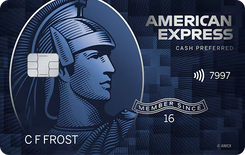 Amex Blue Cash Preferred
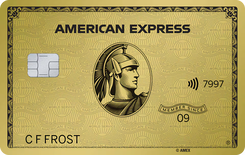 Amex Gold
 Capital One Quicksilver
 Capital One Savor
 Chase Freedom Unlimited
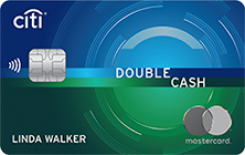 Citi Double Cash® Card
 Discover it® Cash Back
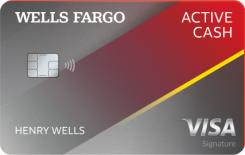 Wells Fargo Active Cash®